
Use AI to Declutter Your Life and Transform Your Self-Care
In our increasingly “wired reality,” we’re often bombarded by information, tasks, and notifications. This digital deluge can lead to a cluttered mind, increased stress, and neglected self-care.
What if the technology causing this stress could also help us find peace and feel better? Enter Artificial Intelligence (AI). It is not just for futuristic robots. It is a practical tool to simplify your life and change your self-care routine.
It may seem strange to use more technology to escape technology overload. However, the beauty of AI is in its ability to automate, personalize, and simplify parts of our lives. These parts often drain our energy and attention.
Let’s explore some concrete ways AI can become your digital Marie Kondo and your personal wellness guru:
1. Decluttering Your Digital World:
- Email Management: AI email apps can learn what matters to you. They can filter out spam and unimportant messages. They can also suggest smart replies. This frees up valuable time and mental energy spent sifting through endless inboxes. Look for features like smart inboxing, priority filtering, and unsubscribe suggestions.
- File Organization: Losing important files in a digital labyrinth is a common frustration. AI can help sort, tag, and find duplicate files on your devices. This makes it easier to locate what you need and free up valuable storage space.
- Social Media Detox (Assisted): AI cannot fully replace willpower, but new tools can help. They can look at your social media habits, find negative content, and help you set healthy limits. Some browser extensions can filter your feed based on keywords or sentiment, allowing for a more mindful consumption.
2. Enhancing Your Self-Care Routine:
- Personalized Fitness and Nutrition: AI fitness trackers and apps can look at your activity, sleep, and diet. They give you custom workout plans and nutrition advice. This data-driven approach can help you make informed choices for a healthier lifestyle.
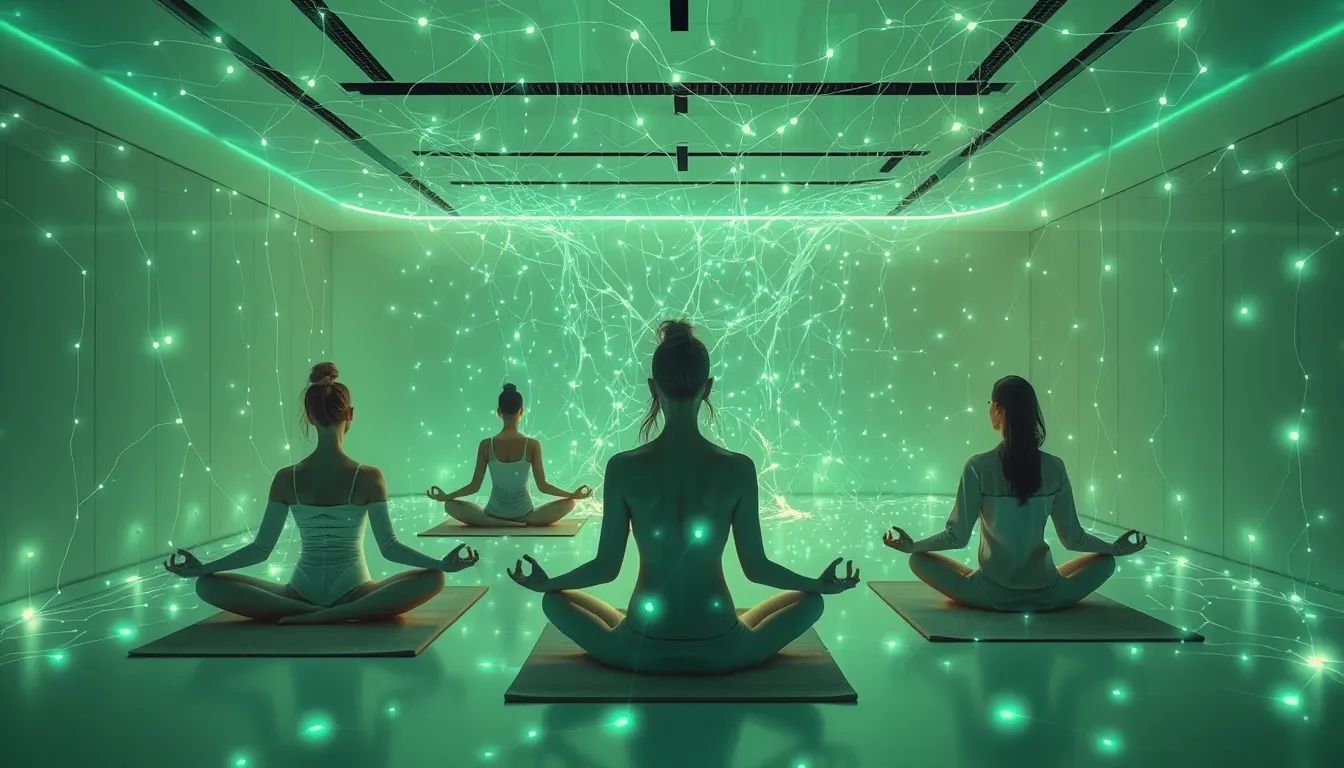
- Mindfulness and Meditation: Many AI meditation apps provide guided sessions. They adjust based on your mood, stress, and progress. Some even use biofeedback data from wearables to adapt the experience in real-time.
- Sleep Optimization: AI sleep trackers can watch your sleep stages. They can find problems and give tips to help you sleep better. Some smart home devices can even adjust temperature and lighting based on your sleep patterns.
- Mental Well-being Support: AI chatbots are being created to help with stress and anxiety. They are not a substitute for human interaction or professional help. They can offer coping mechanisms, track your mood, and suggest resources when needed. Think of them as a first-line resource for those moments when you need a quick check-in.
3. Automating Tedious Tasks:
- Smart Assistants: Voice assistants like Siri, Google Assistant, and Alexa use AI to help with many daily tasks. They can set reminders, schedule appointments, manage shopping lists, and control smart home devices. This automation frees up your time and mental bandwidth for more meaningful activities.
- Financial Management: AI budgeting apps can track your spending. They can find areas where you can save money. These apps can also give you personalized financial advice. This helps reduce the stress of managing your finances.

The Key is Mindful Integration:
The goal is not to rely completely on AI. Instead, we want to use it wisely in our lives. This will help reduce repetitive tasks and offer personalized support for our well-being.
By choosing AI tools that match our needs and values, we can use technology to clear our minds. This helps us focus on self-care and live a more balanced and fulfilling life in our “wired reality.”
What are your thoughts? How do you see AI potentially helping you declutter your life or improve your self-care? Share your ideas in the comments below!